
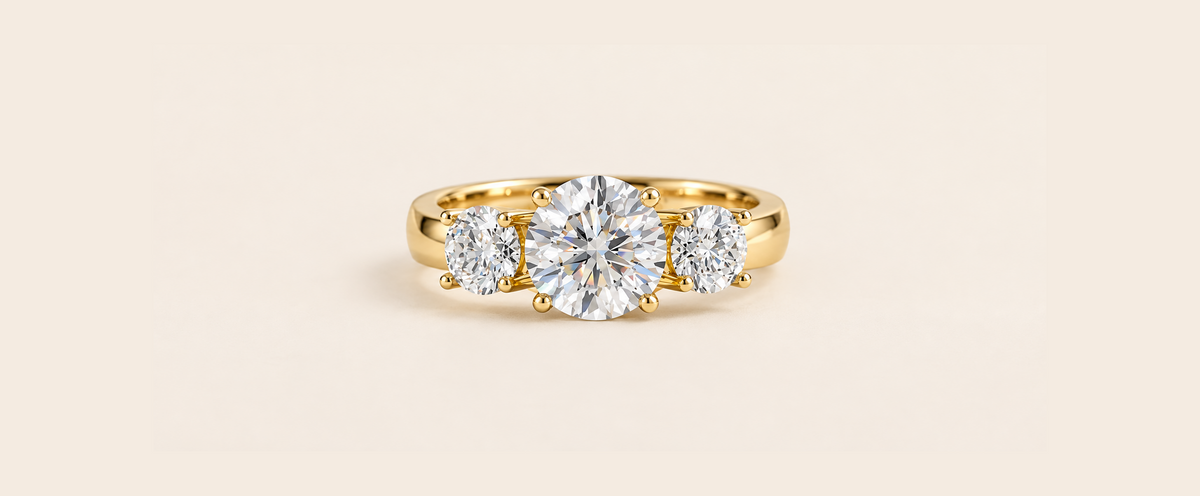
When you are picking an engagement ring most people pay attention to the diamond shape, carat size, colour and metal type. There is one small part that can have a big impact on how the ring looks and how safe the stone stays: engagement ring claws.
These are also known as prongs. They are the metal pieces that hold the centre stone in place. They keep the diamond secure while also deciding how much of it you can see and how light moves through it.
The right claw setting should match your diamond fit your life and give enough protection for regular wear. Whether you like a solitaire a modern design or something more detailed knowing what kinds of claws are available helps you feel better about your choice.
What Are Engagement Ring Claws?

Engagement ring claws are metal prongs placed around the centre stone. Their job is to hold the stone so it doesn’t move or fall out.
Claws come in metals such as platinum, white gold and yellow gold. The shape, number and placement of the claws depend on the ring’s design and the diamond’s shape.
Even though claws do a job they still add to the look of the ring. A thin minimal claw setting can make a diamond appear bigger and more open. A heavier setting may show a classic or unique style.
Understanding Engagement Ring Claw Styles
Engagement ring claws come in different shapes, with each style offering a slightly different look and level of protection. From classic round claws and refined eagle claws to V-claws, square claws and bezel settings, the right choice depends on your diamond shape, ring design and personal style.
Which Claw Shape Is Best for an Engagement Ring?
Claws come in shapes and finishes. Each one adds a bit of character to your ring.
Round Claws

Round claws have a curved look. They are one of the styles.
They give an classic finish. If you want the claws to blend into the ring without standing out this is an option.
Their rounded edges are less likely to catch on clothes compared to claw types.
Eagle or Talon Claws

Eagle claws, sometimes called talon claws taper down to a point.
They can make the ring look refined and detailed because the claw follows the lines of the diamond. This makes them a great pick for someone who likes an artistic design.
Talon claws can also give a feel without disappearing into the setting.
V-Claws

V-claws are shaped like a "V" to protect corners and tips.
They are especially useful for diamond shapes like **pear, marquise and princess cuts**, where the endsre more fragile.
Of using a normal round claw over the tip the V-shaped metal wraps around the corner and offers extra protection.
If your diamond has pointed edges you should talk to your jeweller about V-claws.
Square or Tab Claws

Square claws have straight edges.
They give the ring an structured look. This style appeals to people who like lines and up-to-date jewellery.
The claw style should always match the size of the diamond. Fit the overall ring design.
Bezel Setting

A bezel setting holds the diamond within a smooth rim of metal that follows its edges, instead of using separate claws or prongs. It gives the ring a clean, modern look while keeping the diamond securely in place.
Because the metal surrounds the edges of the stone, it also offers added protection from everyday bumps and makes the ring less likely to catch on clothing. Bezel settings are a great choice for anyone who prefers a simple, refined design that feels practical enough for everyday wear.
Share:
Common Mistakes to Avoid When Buying Lab-Grown Diamond Jewellery Online
The Return of Bold Earrings: 2026's Biggest Hoop, Drop & Statement Earring Trends